

Human trafficking is not a crime of chance- it is a premeditated step-by-step procedure that is meant to entrap and use its victims. Millions of people are affected by this international scourge, and the traffickers take advantage of the vulnerabilities to make a profit by means of forced labor, sexual exploitation, or other abuse. The U.S. Department of State defines human trafficking as the process of recruiting, harboring, transporting, providing, or obtaining a human being to exploit them through the application of force, fraud, or coercion. The United Nations Office on Drugs and Crime (UNODC) is no exception, as it defines it in terms of three main aspects: the act (such as recruitment or transportation), the means (coercion or deception), and the end (exploitation). This article takes the readers through the four significant stages of human trafficking, such as recruitment, transportation, exploitation, and control. Basing our analysis on the thoughts of the survivors and the analysis of trafficking specialists, we are going to observe how this dismantling of the independence of the victims is conducted systematically. Human toll is demonstrated by real-world examples that we all should remember, that there is a human story on each statistic, of survival and perseverance.
Recruitment: The Lure of False Promises
At the recruitment phase, traffickers find and trap their victims, who in most cases are desperate, poor, or isolated. Traffickers make use of a person being very crafty, as they can use deception, false employment, education promises, or romantic advances to gain trust. They attack the weak people in the open areas, such as malls, bus terminals, or online, where they evaluate the emotional or economic drawbacks. According to the Polaris Project specialists, traffickers are best at identifying the gaps when individuals are not strong enough, at maneuvering on the angles, of bending reality, and playing to their fears.
Consider the case of Luiza Karimova of Uzbekistan. She is 22, and she does not have the relevant documents, and is suffering in Kyrgyzstan when a woman offers her a waitressing position in Bishkek. This sounded like a lifeline, but it was a snare. Equally, a survivor, Shamere McKenzie, a college student-athlete in the U.S., encountered a man who assured her that he would assist her with her bills after an injury she suffered terminated her scholarship. He bathed her through fascination, then into the sex industry. Survivor Fainess Lipenga, a domestic worker, told how she thought her employer was trustworthy but soon realized he was only interested in exploiting her by taking her passport and isolating her.
According to the words of expert Giovanna Hernandez Williams, the victims do not always realize the danger at the very beginning: “Victims are under the control of traffickers, i.e., they are not in charge of the daily decisions. Even family members can be recruited into the practice; 50 percent of the child trafficking cases include family members, according to the data by the International Organization of Migration. An example is an American survivor, Elizabeth, who was sold by her parents at four years old, making it a norm to tolerate the abuse, which was their family life. This step preconditions it, and victims are attracted by hope only to be ruined at some point in the future.
Transportation: Isolation Through Movement

When recruited, the victims join the transportation phase during which traffickers engage them to enhance isolation and break their connections with safety nets. This may cross international boundaries or take place within one city, whereby buses, planes, or cars are used to transport victims to new locations. The objective is disorientation – the victims lose their accessibility to familiar support, and escape is more difficult. Trafficking does not necessarily involve movement, but where movement occurs, it reinforces control, as observed in the U.S. Trafficking Victims Protection Act.
This is depicted by the painful experience that Mary goes through in Nigeria. She had escaped Boko Haram at 17, and was assured a job at a restaurant in Italy by a man by the name of Ben. She spent some months in Libya after a pledge not to escape, which was her stopover before a risky boat ride to Italy. Barbara Amaya was kidnapped at 12 in Washington, DC., and taken to New York by her buyers, where she was trafficked over the years. Located in the U.S., Survivor Susannah gave accounts of how she was kidnapped against her will and taken to other states, and became a high earner for her traffickers.
Specialists at the World Bank point to the degree to which transportation takes advantage of vulnerabilities such as the absence of legal status, where fraudsters involve victims through either forged documents or debt. Jayson, who is trafficked into the Philippines and sent to Florida on a bogus athlete visa, came with the expectation of getting construction jobs, only to be subjected to forced labor in the old care facility, where language issues alienated him. Khawang Nu is a Myanmar citizen who was recruited into China in the name of working in the factories, only to get entangled in a birth trafficking network. It uses geography as a trap by weaponizing the relocation.
Exploitation: Profiting from Abuse
This is the stage of exploitation whereby the traffickers make profits, and their victims are forced into labor, sex, domestic servitude, or any other abuse. The victims are also forced by violence, debt slavery, or manipulation, and their welfare is not considered. Sex trafficking is the most dominant with women and children, yet forced labor is in the farming and manufacturing industries. The UN TIP Protocol emphasizes that exploitation is the ultimate goal, and in most cases, it is in commercial sex or forced servitude.
In Dubai, Luiza was picked up in one of the nightclubs and was forced to be a sex slave to generate 10,000 dollars in 18 months. Hazel Fasthorse is a sex-trafficked high school senior in the U.S. who spent nine months in sex trafficking. Raymundo, who was trafficked to a farm in California, was subjected to very little work in crowded conditions and was bound in debt by a visa loan. According to expert Michele Clark of UNODC, exploitation is flourishing in isolation where the victims have been confined in couch rooms or isolated locations.
Natalicia of Brazil, who promised to work as a nanny in Boston, was subjected to endless unpaid domestic labor and slept on a porch. In China, they forced Khawng Nu to carry babies by sperm injection, beating him up whenever he resisted. Descartes of Polar survivors, such as Aubree Alles, talks of complete control: My trafficker decided what I ate and when. It was she who determined when and where I slept. This step makes suffering a profit, and the traffickers employ psychological means to make sure it is obeyed.
Control: Maintaining Dominance Through Fear
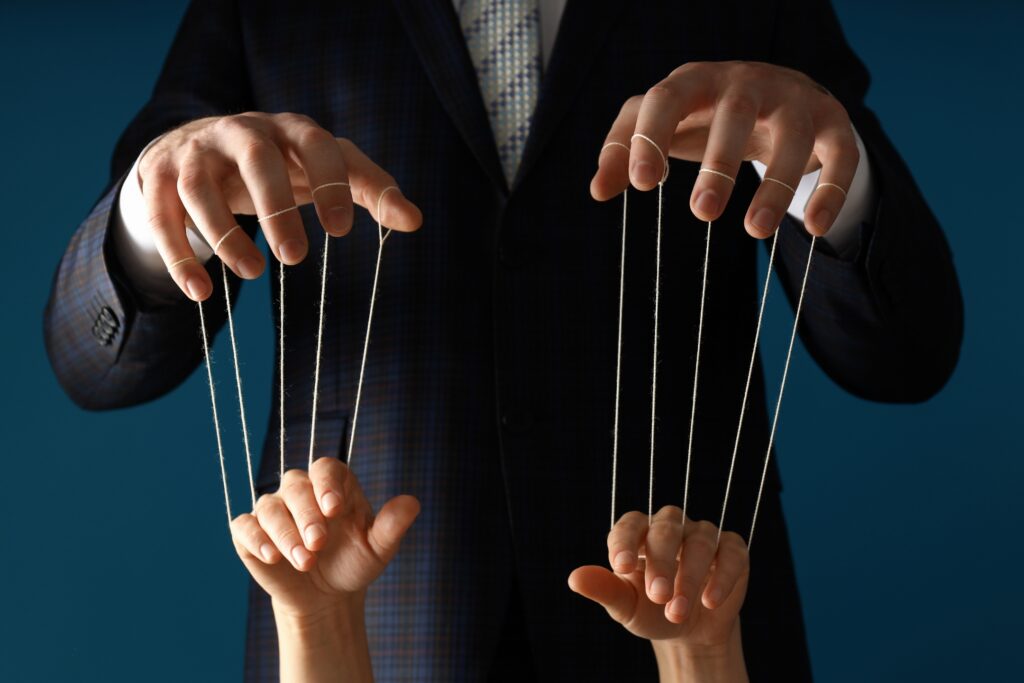
The last phase is the control phase, which establishes the strength of traffickers, which involves document seizure, threats, emotional attachment, or violence to stop escape. The victims might also develop trauma attachments to consider the abusers as protectors, or fear the authorities because of criminalization. The State Department draws attention to the schemes of coercion, such as the manipulation of debts and psychological damage.
In Nigeria, Mary had threats to her mother and was left alone without any contact with her home. Fainess Lipenga was put in the lock, her phone was switched off, and her passport was seized: I was so shut out of the world that I never felt that there was anybody to assist me. Laura Mullen felt unsafe both with the traffickers and with the police in the U.S.: “I felt as trapped, the police would want to get me, and my trafficker would want to get me.
Experts such as the American Medical Association are warning against so-called diagnostic overshadowing when mental health complications conceal the signs of trafficking. Shamere has suffered physical abuse and threats from the family. Ursel Hughes fled as the life of her son was in danger: “My life was nothing and his life everything. Control only recreates the cycle, whereas survivor advocacy demonstrates the way to healing.
Knowledge of these phases is a strength in prevention and support. The awareness can break the chains, as it was confirmed by the survivors, such as Marcela Loaiza. We are fighting this contemporary slavery by shouting out our voices and keeping perpetrators of this slavery accountable.
References
- https://www.state.gov/what-is-trafficking-in-persons
- https://www.unodc.org/unodc/en/human-trafficking/crime.html
- https://polarisproject.org/vulnerabilities-and-recruitment/
- https://womenshealth.gov/blog/spotlight-giovanna-hernandez-williams
- https://eca.unwomen.org/en/news/stories/2017/02/in-the-words-of-luiza-we-were-sex-slaves
- https://survivorsofslavery.org/survivorsspeakers/shamere-mckenzie/
- https://htlegalcenter.org/our-impact/success-stories/fainess-lipenga/
- https://www.iom.int/news/family-members-linked-nearly-half-child-trafficking-new-iom-polaris-data
- https://theexodusroad.com/15-us-survivor-stories/
- https://polarisproject.org/human-trafficking-and-the-transportation-industry/
- https://www.state.gov/policy-issues/human-trafficking/
- https://www.unicefusa.org/stories/fleeing-boko-haram-and-tricked-sexual-exploitation
- https://barbaraamaya.com/store/p1/Nobody%27s_Girl:_A_Memoir_of_Lost_Innocence%2C_Modern_Day_Slavery%2C_and_Transformation.html
- https://polarisproject.org/survivor-story-susannah/
- https://documents1.worldbank.org/curated/en/166101468315536553/pdf/546830BRI0SDN01C10Human0Trafficking.pdf
- https://www.castla.org/545-2/
- https://asiapacific.unwomen.org/en/news-and-events/stories/2019/01/tackling-human-trafficking-in-myanmar
- https://www.unodc.org/unodc/en/human-trafficking/global-report-on-trafficking-in-persons.html
- https://www.unodc.org/unodc/en/human-trafficking/faqs.html
- https://polarisproject.org/survivor-story-hazel-fasthorse/
- https://www.freedomunited.org/raymundo/
- https://www.unodc.org/lpo-brazil/en/trafico-de-pessoas/index.html
- https://www.theatlantic.com/business/archive/2018/03/human-trafficking-natalicia/553100/
- https://polarisproject.org/survivor-story-aubree-alles/
- https://polarisproject.org/vulnerabilities-and-recruitment/
- https://www.state.gov/policy-issues/human-trafficking/
- https://www.unicefusa.org/stories/fleeing-boko-haram-and-tricked-sexual-exploitation
- https://htlegalcenter.org/our-impact/success-stories/fainess-lipenga/
- https://polarisproject.org/survivor-story-laura-mullen/
- https://journalofethics.ama-assn.org/article/human-trafficking-mental-illness-and-addiction-avoiding-diagnostic-overshadowing/2017-01
- https://survivorsofslavery.org/survivorsspeakers/shamere-mckenzie/
- https://polarisproject.org/survivor-story-ursel-hughes/
- https://www.unodc.org/unodc/en/endht/2021/survivor-stories—marcela-loaiza.html