

Human trafficking is a grave issue world wide, impacting millions of people who are exploited of their material belongings, identity status, and physical bodies. However, the deepest wounds and scars of trafficking victims lie in their minds and hearts. Through the experiences of being forced, defrauded, or coerced by the traffickers, the victims can never become the same person again as before even when the bodily injuries disappear.
Although there are many cases where the victims were rescued or escaped from trafficking, it is extremely difficult for a survivor to reintegrate back to society without any support. We will explore the psychological impacts on human trafficking survivors, importance of trauma-informed mental health care, types of mental health support, challenges of providing mental health support, and available resources/programs.
Psychological Impacts on Human Trafficking Survivors
Human trafficking survivors endure various traumatic experiences, such as physical abuse, emotional manipulation, deprivation, and threats. These circumstances can lead to anxiety disorders, depression, post-traumatic stress disorder (PTSD), issues with trust and attachment, substance abuse, dissociation and identity issues, and suicidal ideation. The stigma attached to trafficking can further isolate survivors, complicating their healing process.

These impacts are also long lasting. They affect a person’s daily functioning, relationships, and overall well-being. Without attentive and proper care of their mental health, survivors of trafficking can be re-victimized or engage in harmful behaviors.
Importance of Trauma-Informed Mental Health Care
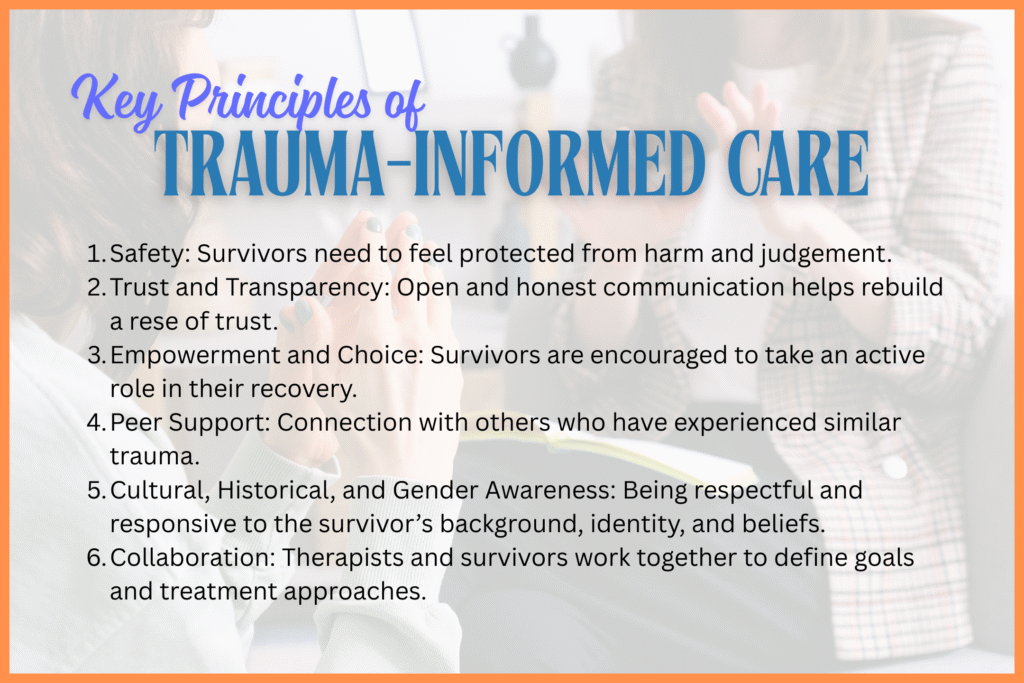
Effective support for trafficking survivors must be trauma-informed, recognizing the impact of trauma and creating a safe, empowering environment. Trauma-informed care emphasizes understanding, compassion, and promoting survivors’ autonomy. Ensuring their mental health needs are addressed without causing further distress.
Mental health interventions should be culturally sensitive and tailored to individual needs, taking into account survivors’ backgrounds, languages, and specific trauma histories. Integrating mental health services into comprehensive survivor support programs enhances the likelihood of successful recovery and long-term well-being.
To continue reading, click here.