

Human trafficking leaves scars not only on its direct victims but also on the children born from exploitation. Around the world, thousands of children are conceived through forced sexual encounters between trafficking victims and buyers. Many of these children end up in orphanages, caught in a cycle of stigma, abandonment, and vulnerability.
For survivors of trafficking, pregnancy can be both a lifeline and a burden. Some mothers are unable to keep their children due to ongoing trauma, lack of resources, or social rejection. In many cases, traffickers forcibly separate mothers from their babies, leaving the children in state care or unregulated institutions. Others are surrendered to orphanages when survivors cannot access family or community support.
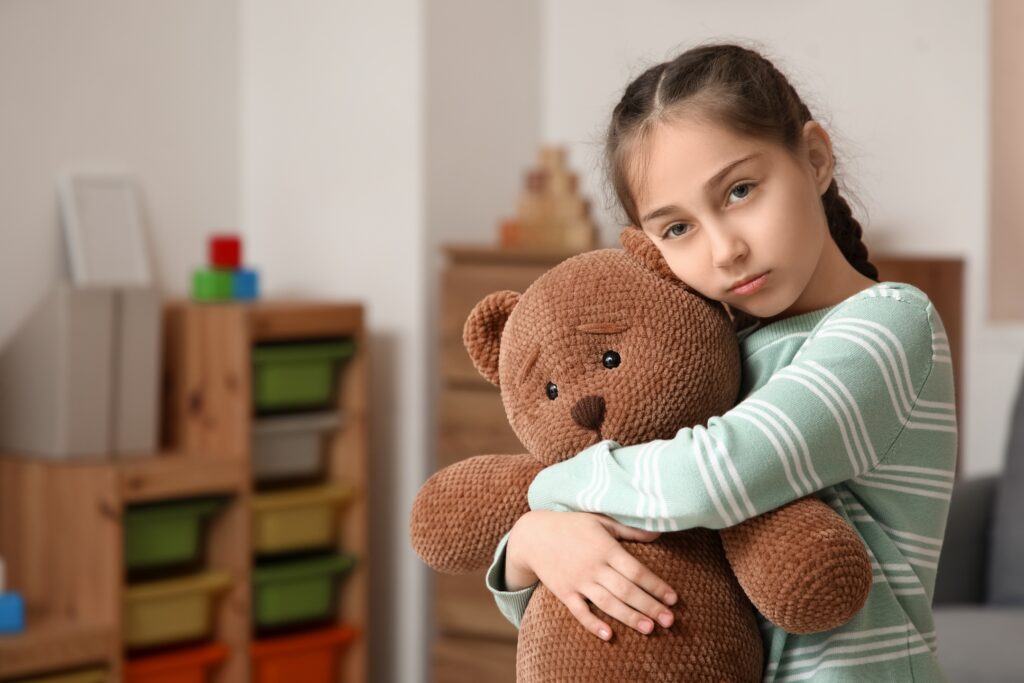
These children face layered challenges. They carry the weight of being born from violence and exploitation, often without knowledge of their parents or family identity. In orphanages, they may lack the consistent care, protection, and emotional stability needed for healthy development. Without strong guardianship, they remain at high risk of repeating the cycle of vulnerability—targeted again by traffickers who prey on institutionalized children.
The stigma attached to their birth further isolates them. In some cultures, children conceived through trafficking or sexual violence are considered “tainted,” which limits their chances of adoption or reintegration into extended families. Instead of receiving compassion, they are often met with silence or rejection.
Yet, there are signs of hope. Survivor-led organizations are raising awareness about the needs of these children, advocating for trauma-informed care and pathways to family-based solutions. Some NGOs are pioneering programs that provide holistic support—ensuring children have access to counseling, education, and safe housing while also empowering mothers who choose to raise them.
Experts emphasize that preventing this generational cycle of exploitation requires more than rescuing victims. Governments, faith communities, and civil society must work together to create alternatives to orphanages, strengthen foster and kinship care, and provide long-term support for survivors who become parents.
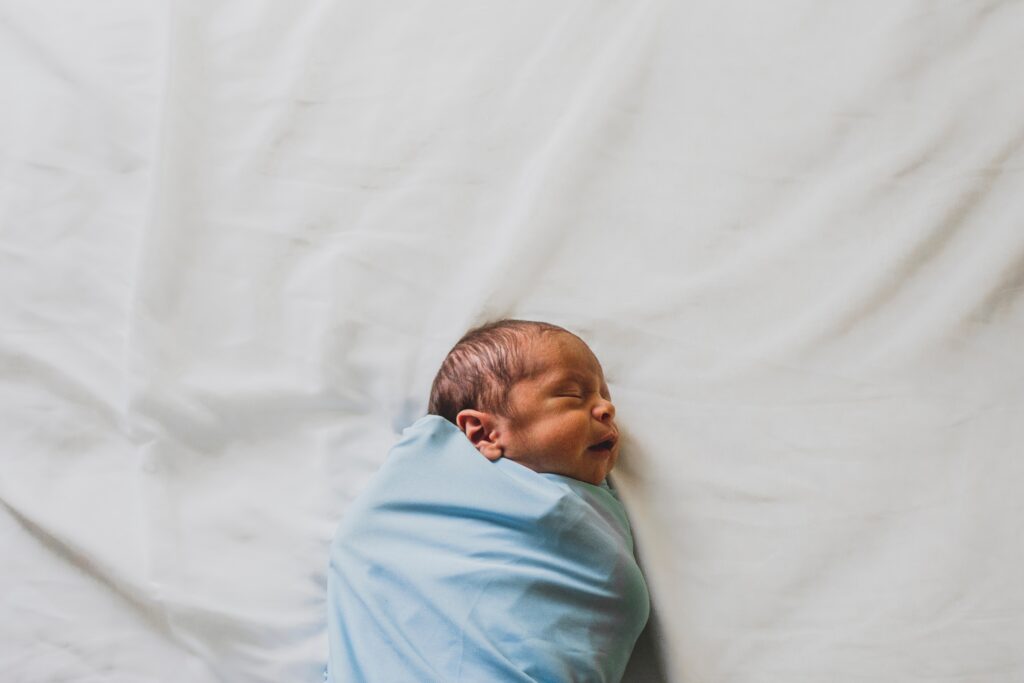
The children born of human trafficking are innocent. They did not choose the circumstances of their conception, yet they bear its consequences daily. Society has a responsibility not to abandon them but to protect their rights, dignity, and future.
Ending human trafficking means not only freeing victims but also ensuring that their children—often forgotten in the larger conversation—are given the chance to grow up in safe, loving environments. Their stories remind us that the impact of trafficking extends beyond individuals to generations. Addressing their needs is a crucial step in breaking the cycle of exploitation once and for all.